Risk Management
Export Controls, Sanctions and Trade Security Governance
Screening, licensing, ownership-and-control assessment and escalation design for sensitive flows across EU, UK and US-facing business activity.
Why this work sits above list screening
Trade security failures rarely start with a single denied-party hit. They usually start with weak product facts, incomplete end-use review, fragmented counterparty ownership analysis or inconsistent release discipline under time pressure.
CSA Nexus helps clients stabilise that chain before it becomes a blocked shipment, a licensing error, a board-level incident or an audit question that cannot be answered cleanly. The public positioning is deliberately governance-led because the underlying problem is usually not the tool itself; it is the absence of a defensible decision model linking classification, screening, ownership checks, documentary evidence and escalation ownership.
That is especially relevant where EU, UK and US surfaces overlap. A client may be dealing simultaneously with EU dual-use controls, UK sanctions expectations, US-origin content issues, end-use restrictions and counterparties that require enhanced ownership review. The control record needs to survive that complexity without slowing legitimate business to a standstill.
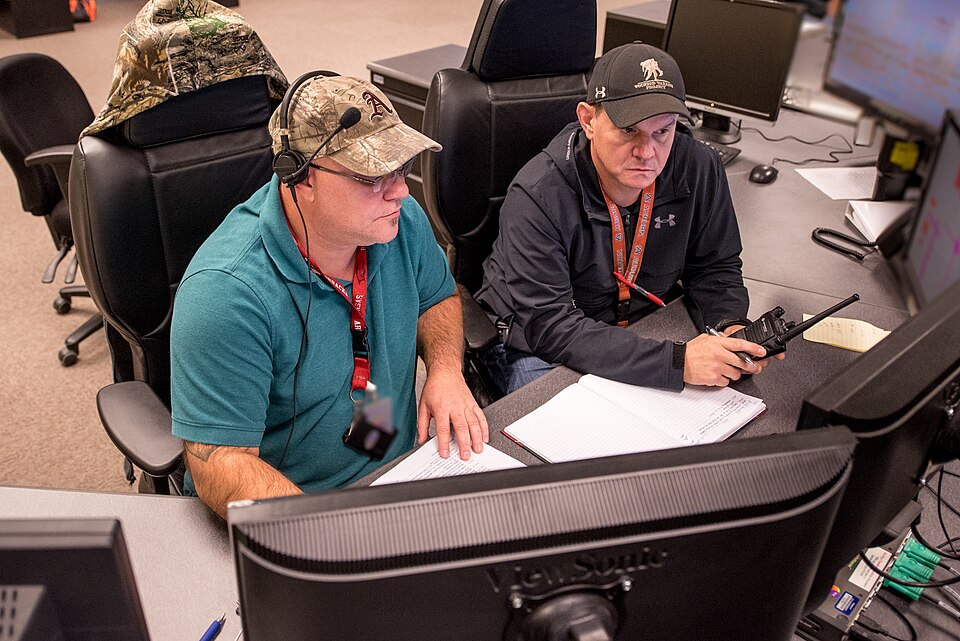
Where the control chain usually starts to weaken.
List screening without product, route, ownership and review ownership rarely survives pressure once a sensitive transaction reaches a real decision point.
Core workstreams
The practical objective is to make the release logic repeatable, explainable and proportionate to risk rather than creating a theatre of controls around the shipment.
Control perimeter
Classification support, dual-use mapping, end-use review and licensing logic where product facts, destination and customer profile interact. The emphasis is on decision-grade scope, not surface-level policy restatement.
Sanctions and ownership analysis
Restricted-party review tied to ownership-and-control, route, payment structure and transaction context. This is where many teams discover that list screening alone is not enough to support a release.
Internal control design
Escalation thresholds, ICP logic, record retention and management visibility so high-risk decisions stop cleanly and legitimate movements do not accumulate avoidable false positives.
Cross-border implications
For European businesses, the challenge is often multi-surface by default. EU dual-use rules, UK sanctions exposure and US extraterritorial controls can all affect the same product family or the same customer channel. The right question is therefore not which list to screen first. It is which legal and operating logic governs the release decision once multiple regimes touch the same transaction.
We help clients structure that answer around repeatable checkpoints: what needs product review, what triggers enhanced counterparty analysis, how end-use doubts are documented, when management sign-off is required and how exceptions are stored for later audit or regulator review.
Operational and audit angle
Trade security work only becomes durable when it creates a better operating record. That includes watchlist source versioning, ownership review notes, release or hold rationale, remediation steps and evidence of who decided what. Without that structure, the business either slows itself unnecessarily or proceeds on weak assumptions that become expensive later.
The objective is a defensible middle ground: enough discipline to survive scrutiny, enough clarity to support speed where the transaction is legitimate, and enough management visibility to see recurring failure modes before they become systemic.
Recovered controls architecture
The page now visibly restores the missing legacy blocks for jurisdiction comparison, ownership traps, ICP scaffolding and the release-governance model.
| Feature | EU dual-use (Reg. 2021/821) | US EAR extraterritorial reach |
|---|---|---|
| Scope | Exports from the EU customs territory and intangible transfers governed by EU dual-use rules, catch-all logic and licensing triggers. | Foreign items can still be controlled through de minimis, direct-product or US-origin-content exposure even where the transaction sits outside the US. |
| Classification | Goods, software and technology mapped against Annex I and related EU licensing architecture. | ECCN and CCL logic can reshape the release answer, especially where product families inherit embedded US-origin technology. |
| Intangibles and deemed release | Technology transfer, cloud access and documentation sharing can all trigger export-control analysis. | Deemed export and technology-release logic matters even within internal teams when foreign nationals or controlled know-how are involved. |
Sanctions: The Ownership & Control Trap
List screening is only the start. Higher-risk transactions often fail later because the corporate structure behind the counterparty was never reviewed to the depth the route actually required.
The 50% Rule (OFAC and EU-style ownership analysis)
(40%)
(11%)
(51% - blocked)
Risk: the target may not appear on a public list, but trading with it can still be prohibited because aggregate ownership changes the legal result.
Internal Compliance Program (ICP)
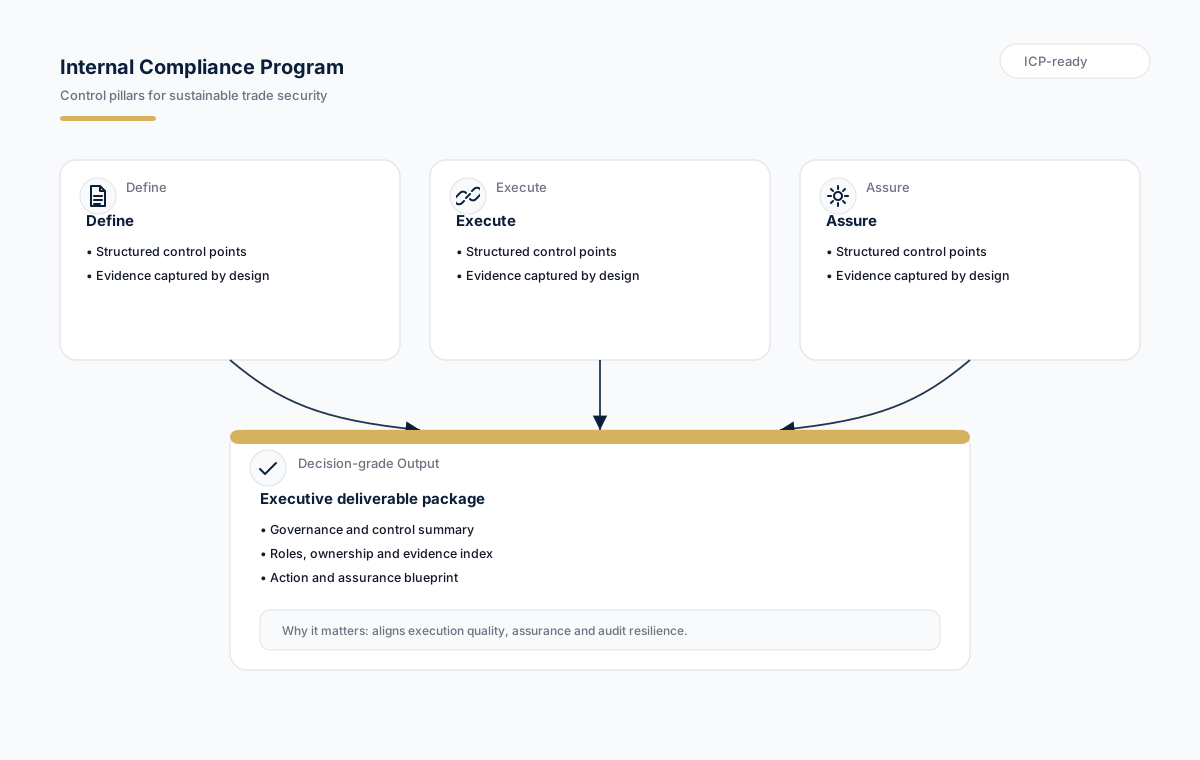
We restore the practical ICP framework here because the service loses technical credibility if management commitment, screening design and audit memory are only implied.
- Top-level management commitment statement and release authority boundaries.
- Transaction screening covering end-use, end-user, route and documentary red flags.
- Recordkeeping and auditing protocols that keep the control record usable months later.
1. Control Environment
Tone at the top and ethical values.
2. Risk Assessment
Identifying risks in new markets or products.
3. Control Activities
Automated blocks in SAP/ERP and manual checks.
5. Monitoring
Continuous testing and KPIs.
The 3 Lines of Defense
Why this block is back
The ownership model is one of the clearest technical differentiators on this page, so keeping it visible is part of the commercial credibility of the service.
Trade security control model
The page now shows more explicitly how screening, ownership review, route logic and escalation rights are meant to work together instead of leaving the service as narrative alone.
| Control layer | What usually fails | What the mandate stabilises |
|---|---|---|
| Product and jurisdiction logic | Product facts, destination, end-use and jurisdictional triggers are not joined into one release view, so teams screen the transaction without knowing what materially changes the answer. | We create a more decision-grade control perimeter that links classification, jurisdiction, licensing logic and the release question the business is actually facing. |
| Counterparty and ownership review | List checks remain superficial and do not capture ownership-and-control structures, route sensitivity, payment anomalies or higher-risk intermediaries. | The mandate defines when enhanced review is required, what evidence should be retained and how the decision can still be reconstructed later. |
| Escalation and release ownership | Urgent cases blur operating and management responsibility, leaving teams to improvise who can release, pause or refuse a shipment. | We make the escalation path visible, including approval lanes, decision memory and the threshold at which a trade-security issue becomes a management matter. |
| Audit and operating memory | After the live transaction, the record is too thin to explain why the release was made, what was checked and what risk remained unresolved. | The file becomes more durable for audit, internal review and later remediation, reducing the cost of re-litigating the same uncertainty with every similar case. |
Screening workflow and ICP evidence
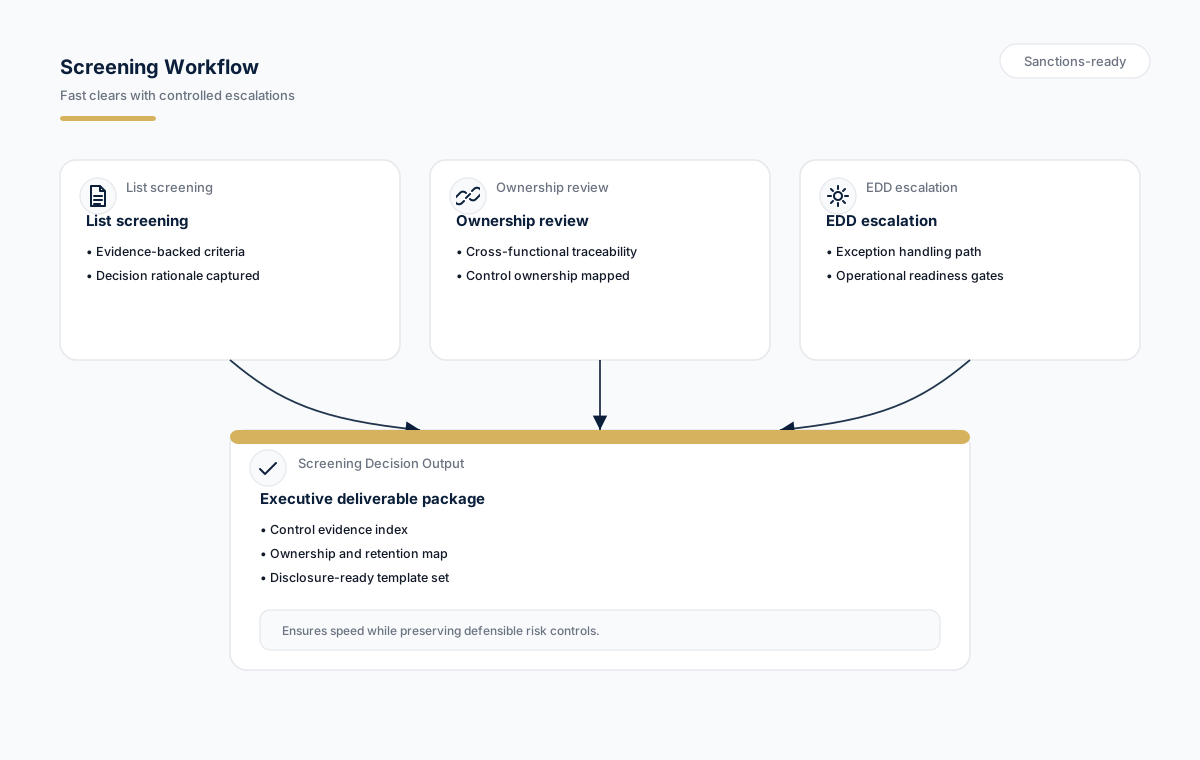
Trade Security is a decision system, not a single screening hit. Lists change, ownership structures shift, and end-use narratives can be incomplete, especially under time pressure. We design screening workflows that combine automated checks with controlled escalation: matching thresholds, ownership and control logic, end-use red flags, and a record model that preserves rationale and evidence.
For controlled goods, we implement classification and licensing procedures that integrate into operations rather than living in a separate compliance silo. The result is practical resilience: fewer false positives that block shipments, fewer missed signals that create liability, and an internal audit trail that supports both management oversight and external enquiries.
Why it matters
Weak controls slow legitimate trade and still miss the transactions that actually need intervention. A better model reduces both unmanaged releases and avoidable operational drag.
What clients should expect
Clearer release thresholds, stronger ownership analysis, tighter documentation and an internal control posture that does not collapse when staff, routes or counterparties change.
Where it connects
Product classification, customs declarations, broker instructions, finance controls and customer onboarding all inherit risk if the security layer is not aligned with the wider operating model.
Need a disciplined controls review rather than another generic screening pitch?
We scope trade security work around the real control chain: product facts, counterparties, routes, documentary evidence and management decision thresholds.
ENS, ICS2 and pre-arrival security logic
Trade security does not stop at export controls. Pre-arrival security filings now shape release sequencing, data quality expectations and who bears the risk of a poor border dataset.
What ENS / ICS2 changes in practice
The filing is not just a carrier formality. It drives pre-arrival risk analysis, stop messages, release timing and the need for cleaner consignee, consignor and goods-description data.
- Pre-loading and pre-arrival data quality becomes part of release discipline.
- Poor product descriptions or party data can create holds before the customs declaration is even decisive.
- Documentary ownership between shipper, carrier, forwarder and importer has to be explicit.
| Security-filing layer | Operating implication |
|---|---|
| Goods description quality | Security datasets need more meaningful descriptions than vague commercial shorthand if the filing is to survive risk analysis. |
| Party-data integrity | Consignor, consignee and route data have to be consistent across shipment documents, carrier systems and customs-facing files. |
| Release ownership | The business needs to know who reacts when a carrier stop message or security exception arrives before the goods are released. |
| Audit memory | Security-filing corrections and release decisions should remain traceable later, especially on recurring corridors or sensitive goods. |